
Tech
The Rise of the Digital Twin: Securing Your Online Persona

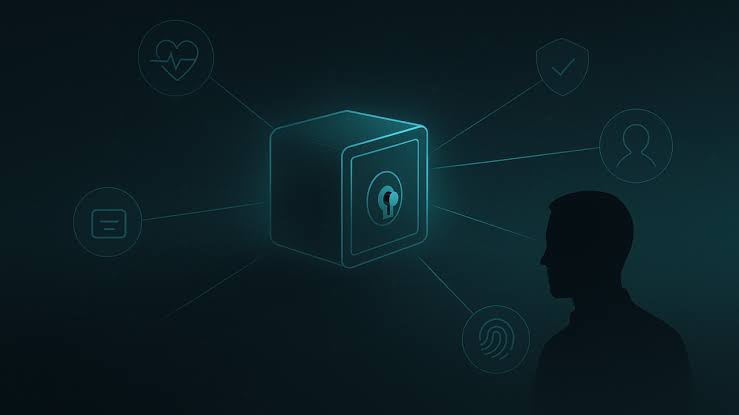
Your digital twin is no longer just a sci-fi concept. In 2026, it is a fully functioning extension of your identity, often carrying as much weight as your physical self. From the accounts you create to the data you leave behind, your online presence has evolved into a sophisticated “digital twin” that works, socializes, and interacts even when you are asleep.
Just as you wouldn’t wear pajamas to a board meeting, you can’t rely on a single, messy digital profile to navigate every corner of the internet. Whether you are posting on Candid Forums or logging into a corporate network, context matters. Your digital twin requires the same boundaries and protection as your real-world identity.
The Evolution of Identity
We have come a long way from simple email addresses and static profile pictures. Identity has shifted from a flat footprint, like a username on a message board, to a multidimensional persona.
Today, your digital twin is a dynamic entity. It holds your financial data, professional credentials, and personal memories. With the average internet user managing over 8 social media accounts, our online selves are fragmented across platforms, often bleeding into one another in messy, insecure ways. The challenge now is moving from accidental digital footprints to intentional, managed personas.
Phound’s Personas: Balancing Professional, Personal, and Public Boundaries
Managing a digital twin effectively means understanding that you are not just one person online. You need distinct modes for different audiences. This is the core philosophy behind Phound’s Personas, a framework designed to compartmentalize your digital life.
- Professional Persona: This is your “business card” twin. It is polished, secure, and limited to career-related interactions.
- Personal Persona: Reserved for friends and family, this persona allows for authenticity without exposing you to professional scrutiny or public threats.
- Public Persona: This is the face you show the world, ideal for public speaking, online bios, or general networking.
By creating these clear boundaries, you prevent the “context collapse” that happens when your boss sees your vacation photos or a stranger gains access to your private email.
The Security Frontier: Biometrics and MFA
As our digital twins grow more powerful, they become bigger targets for fraud. Protecting this digital identity requires more than a strong password. It demands verification that proves you are the one behind the screen.
Advanced security tools like HID DigitalPersona are leading the charge in securing these digital twins. By using multi-factor authentication (MFA) and biometric data, such as fingerprints or face recognition, these tools ensure that only the physical “you” can unlock the digital “you.”
This layer of security is critical. As deepfakes and AI-driven fraud rise, proving your humanity is the ultimate defense.
Key Stats: The State of Digital Identity
| Statistic | Figure | Source |
| Deepfake Growth | Increased 3,100% between 2022 and 2023 | Entrust (2025 Identity Fraud Report) |
| Identity Wallet Adoption | 500 million users expected by 2026 | Gartner (2024) |
| Cost of Data Breaches | $4.88 million (global average) in 2024 | IBM Security (2024) |
| MFA Effectiveness | Blocks 99.9% of account hacks | Microsoft (2019) |
Strategic Identity Management
You don’t need enterprise-level software to start managing your digital twin better. Strategic identity management is about adopting habits that keep your online personas distinct and secure.
- Audit your footprint: regularly search for yourself online to see what information is public.
- Separate your accounts: Use different email addresses for banking, social media, and newsletters.
- Embrace authentication: Enable MFA on every account that supports it.
- Curate your content: Think of creators like LittleMinaxo, who maintain a unique and authentic online presence by carefully curating what they share. Be intentional about what fits your “public” vs. “private” twin.
The Future of the Digital Persona
The line between physical and digital will only blur further. We are moving toward an era where “verified identity” is the standard for entry.
In the near future, AI agents may act on behalf of your digital twin, scheduling appointments or negotiating purchases. Virtual reality environments will require robust, portable identities that travel with you across the metaverse. As technology evolves, the tools we use to verify and manage these identities, like digital wallets and biometric readers, will become as essential as the keys to your house.
Take Control of Your Narrative
Your digital twin is outgrowing you, but that doesn’t mean it has to be out of control. By treating your online identity with the same care as your physical reputation, you ensure that technology serves you, not the other way around.
Whether you use tools like Phound to separate your worlds or secure your data with biometric solutions, the goal is the same: to navigate the digital future with confidence, security, and authenticity.
FAQs
What is a digital twin in the context of personal identity?
A digital twin is a virtual representation of your identity, encompassing your online data, behaviors, accounts, and interactions that exist parallel to your physical self.
Why do I need different digital personas?
Separating personas (like Professional vs. Personal) improves privacy and security. It ensures colleagues don’t see private content and reduces the impact if one account is compromised.
How does biometric security protect my digital twin?
Biometrics, like fingerprint or facial recognition, link your digital access directly to your physical body, making it much harder for hackers to impersonate you compared to using passwords alone.
What is the biggest threat to digital identities in 2026?
AI-driven threats, specifically deepfakes and sophisticated phishing attacks, are the fastest-growing risks to online identity verification.
How can I start securing my digital identity today?
Start by enabling Multi-Factor Authentication (MFA) on all sensitive accounts and auditing your social media privacy settings to limit what is publicly visible.