
Tech
Valve Guide Wear in Engines: How It Develops, What It Affects, and When to Act

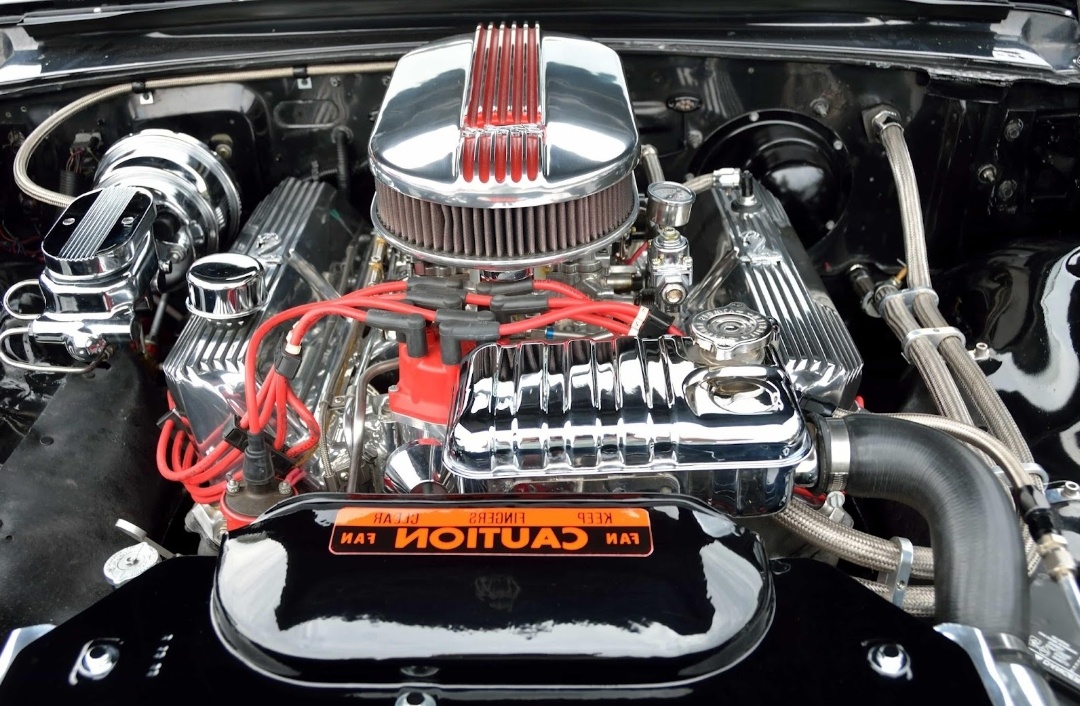
Inside every engine, precision matters down to fractions of a millimeter. Valve guides are a perfect example of this principle in action. These small cylindrical components ensure that engine valves move smoothly and stay properly aligned during operation. While often overlooked, valve guides play a critical role in maintaining combustion efficiency, oil control, and long-term engine reliability.
Over time, however, valve guides are subject to wear from heat, friction, and contamination. When tolerances begin to widen, the effects ripple through the engine, leading to performance issues that can be difficult to diagnose without experience. Understanding how valve guide wear develops—and when it becomes a problem—can help prevent costly repairs and extend engine life.
What Valve Guides Do and Why They Matter
Valve guides serve as the pathway that allows intake and exhaust valves to move up and down within the cylinder head. Their primary function is to maintain proper alignment, ensuring that valves seal correctly against their seats. This alignment is essential for maintaining compression and controlling airflow within the engine.
In addition to guiding valve movement, these components also help regulate oil flow. A small amount of lubrication is necessary to reduce friction, but excessive oil entering the combustion chamber can lead to burning oil and increased emissions. Valve guides, along with seals, play a balancing role in managing this flow.
Impact on Combustion Efficiency
When valve guides wear beyond acceptable limits, valves may no longer seat properly. This can result in compression loss, reduced engine power, and inefficient fuel combustion. In high-performance or diesel engines, even minor misalignment can significantly affect output and reliability.
What Causes Valve Guide Wear
Valve guide wear doesn’t happen overnight. It develops gradually due to a combination of operational stress and environmental conditions. Recognizing these contributing factors is key to preventing premature failure.
Heat and Friction
Engines operate at high temperatures, particularly around the exhaust valves. Continuous exposure to heat causes expansion and contraction, which over time leads to material fatigue and increased clearance between the valve stem and guide.
Poor Lubrication
Insufficient or degraded oil reduces the protective film between moving parts. Without proper lubrication, friction increases, accelerating wear inside the guide.
Contaminants in the Engine
Dirt, carbon deposits, and other debris can enter the valve guide area, acting as abrasive particles. This is especially common in engines operating in dusty or harsh environments.
Material Degradation Over Time
Even under ideal conditions, materials naturally wear out. High-mileage engines are more likely to experience valve guide issues simply due to prolonged use.
Valve Guide Wear in Agricultural and Heavy Machinery
Engines used in tractors, harvesters, and other agricultural equipment face unique challenges. Long operating hours, fluctuating loads, and exposure to dust and debris create conditions where valve guide wear can accelerate more quickly than in standard passenger vehicles.
For operators and technicians working in these environments, recognizing early valve guide wear symptoms is essential. Addressing these issues early helps maintain engine efficiency and prevents damage to other components, such as valves and cylinder heads. In seasonal operations where downtime is costly, proactive maintenance becomes even more important.
Operating Conditions That Increase Risk
Frequent cold starts, inconsistent maintenance schedules, and prolonged operation under heavy loads all contribute to faster wear. Dust-heavy environments, in particular, increase the likelihood of contaminants entering the engine.
Signs That Indicate Valve Guide Problems
Valve guide wear often presents itself through a combination of performance changes and visible symptoms. Identifying these signs early can prevent more extensive engine damage.
Excessive Oil Consumption
Worn guides can allow too much oil to enter the combustion chamber, leading to increased oil usage and potential fouling of spark plugs or injectors.
Blue Smoke from Exhaust
Burning oil produces a distinctive blue smoke, particularly noticeable during startup or acceleration. This is a common indicator of valve guide or seal issues.
Reduced Engine Performance
Loss of compression due to improper valve seating can result in decreased power and efficiency. Engines may feel sluggish or struggle under load.
Repair vs Replacement: Making the Right Call
When valve guide wear is detected, the next step is deciding whether to repair or replace the affected components. This decision depends on the severity of wear, the engine type, and the overall condition of the cylinder head.
In some cases, guides can be reamed or fitted with inserts to restore proper clearance. However, severely worn guides often require full replacement to ensure long-term reliability.
For vehicle owners and technicians evaluating broader engine repairs, resources like guidance on repairing versus replacing engine components provide useful insights into cost, longevity, and performance considerations.
How Engine Design Influences Durability
Not all engines experience valve guide wear at the same rate. Design factors such as material selection, cooling efficiency, and valve train configuration all play a role in durability.
Some manufacturers prioritize longevity by using advanced alloys and improved lubrication systems. Insights from this ranking of engine designs and performance highlight how engineering choices can significantly impact reliability over time. Engines designed with durability in mind tend to exhibit slower wear rates across critical components, including valve guides.
Preventive Maintenance Strategies
While valve guide wear is inevitable over time, proper maintenance can slow the process and extend engine life. A proactive approach reduces the likelihood of unexpected failures.
Regular Oil Changes
Maintaining clean, high-quality oil ensures proper lubrication and reduces friction within the valve train. Skipping oil changes accelerates wear across multiple components.
Air Filtration and Clean Intake Systems
Effective air filtration prevents contaminants from entering the engine. Clean intake systems reduce the risk of abrasive particles damaging internal components.
Routine Inspections
Periodic engine inspections allow technicians to detect early signs of wear before they become serious issues. Monitoring oil consumption and exhaust behavior can provide valuable clues.
Conclusion
Valve guide wear is a gradual but significant factor in engine performance and longevity. While often overlooked, its impact extends to combustion efficiency, oil control, and overall reliability. By understanding how wear develops and recognizing early warning signs, technicians and operators can take timely action to prevent more extensive damage.
Whether working with passenger vehicles, diesel engines, or heavy agricultural equipment, maintaining proper valve guide function is essential for long-term performance. Careful maintenance, informed decision-making, and attention to operating conditions all contribute to keeping engines running at their best.