
Health
5 Tips for Maintaining Oral Health During Orthodontic Treatment

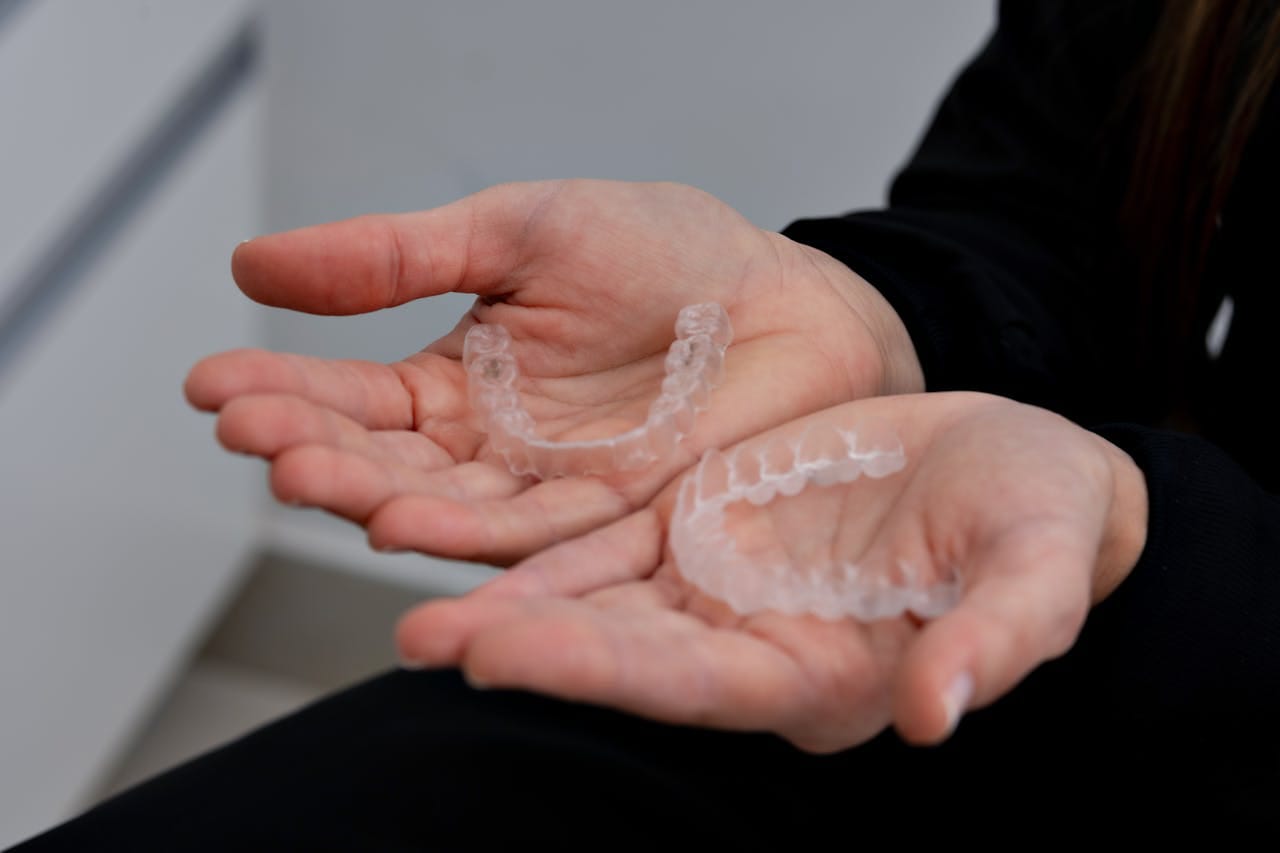
Embarking on an orthodontic journey is an exciting step toward a more confident smile and improved dental function. Whether you have opted for traditional metal braces or modern clear aligners, the goal is the same: a perfectly aligned set of teeth. However, the path to that “reveal day” requires more than just patience; it demands a heightened commitment to oral hygiene. Orthodontic appliances, while effective, create new nooks and crannies where food particles and plaque love to hide.
Without a diligent routine, the risk of decalcification (white spots), cavities, and gum disease increases significantly. To ensure your teeth are not only straight but also vibrant and healthy when your treatment concludes, consider these five essential maintenance tips.
1. Master the Art of “Orthodontic” Brushing
When you have brackets and wires—or even just the attachments used with clear aligners—brushing twice a day is no longer the gold standard. Most dental professionals recommend brushing after every meal and snack. Food becomes trapped against the tooth surface almost instantly, and the longer it sits, the more acid-producing bacteria can erode your enamel.
Use a soft-bristled toothbrush and angle it at 45 degrees toward the gum line. For those using invisalign, Toronto patients often find that an electric toothbrush with a pressure sensor is a worthwhile investment. It ensures you are cleaning thoroughly without applying too much force, which can irritate gum tissue that may already be sensitive from tooth movement.
2. Don’t Skimp on Specialized Flossing Tools
Traditional flossing can become a logistical challenge with an archwire in the way. However, skipping this step is a recipe for interproximal cavities (decay between the teeth). To make the process manageable, utilize tools designed for orthodontic patients, such as:
- Floss Threaders: These act like a needle to pull regular floss under the wire.
- Water Flossers: Using a pressurized stream of water can blast away debris from under wires and around brackets where manual floss might struggle to reach.
- Interdental Brushes: These tiny, Christmas-tree-shaped brushes are perfect for scrubbing the sides of brackets and the spaces between teeth.
3. Prioritize Aligner and Appliance Hygiene
If you are using clear aligners, your hygiene routine extends to the trays themselves. Because aligners sit tightly against your teeth for 22 hours a day, any bacteria on the tray is essentially “sealed” against your enamel. For those seeking invisalign Sarnia services, it is crucial to remember that your trays should be rinsed every time they are removed and cleaned thoroughly at least twice a day.
Avoid using scented soaps or abrasive toothpastes on your aligners, as these can scratch the plastic and make them appear cloudy. Instead, use lukewarm water and a gentle, clear antibacterial soap or specialized cleaning crystals. Never use hot water, as it can warp the medical-grade plastic and affect the fit of your treatment.
4. Optimize Your Diet for Success
Your diet plays a massive role in the health of your teeth during treatment. If you have traditional braces, the “no-go” list is clear: avoid sticky caramels, hard nuts, and popcorn that can break brackets. But even for aligner users, what you eat matters.
Sugary and acidic beverages like soda or sports drinks are particularly dangerous if consumed while wearing aligners, as the liquid can seep into the trays and sit against the teeth for hours. If you do indulge in a sugary treat, ensure you brush your teeth before putting your appliances back in. If brushing isn’t an option, at the very least, rinse your mouth vigorously with water to neutralize acids.
5. Maintain Your Regular Dental Checkups
It is a common misconception that seeing your orthodontist replaces the need for your regular dentist. While your orthodontist is focused on the movement of your teeth and the integrity of your appliances, your general dentist remains the guardian of your overall oral health.
Regular professional cleanings are even more important during orthodontic treatment. Hygienists have specialized tools to remove tartar (calculus) that has built up in those hard-to-reach areas around your hardware. These visits also allow for early detection of demineralization, allowing your team to apply fluoride treatments that can strengthen your enamel before a cavity fully forms.
A Healthy Smile is a Beautiful Smile
Orthodontic treatment is an investment in your future, and protecting that investment requires a bit of extra elbow grease. By adapting your hygiene habits and staying disciplined with your cleaning routine, you ensure that the smile waiting for you at the end of your treatment is as healthy as it is straight.